Transform Leftover Cranberry Sauce into Tangy Salad Dressing: A Culinary Renaissance
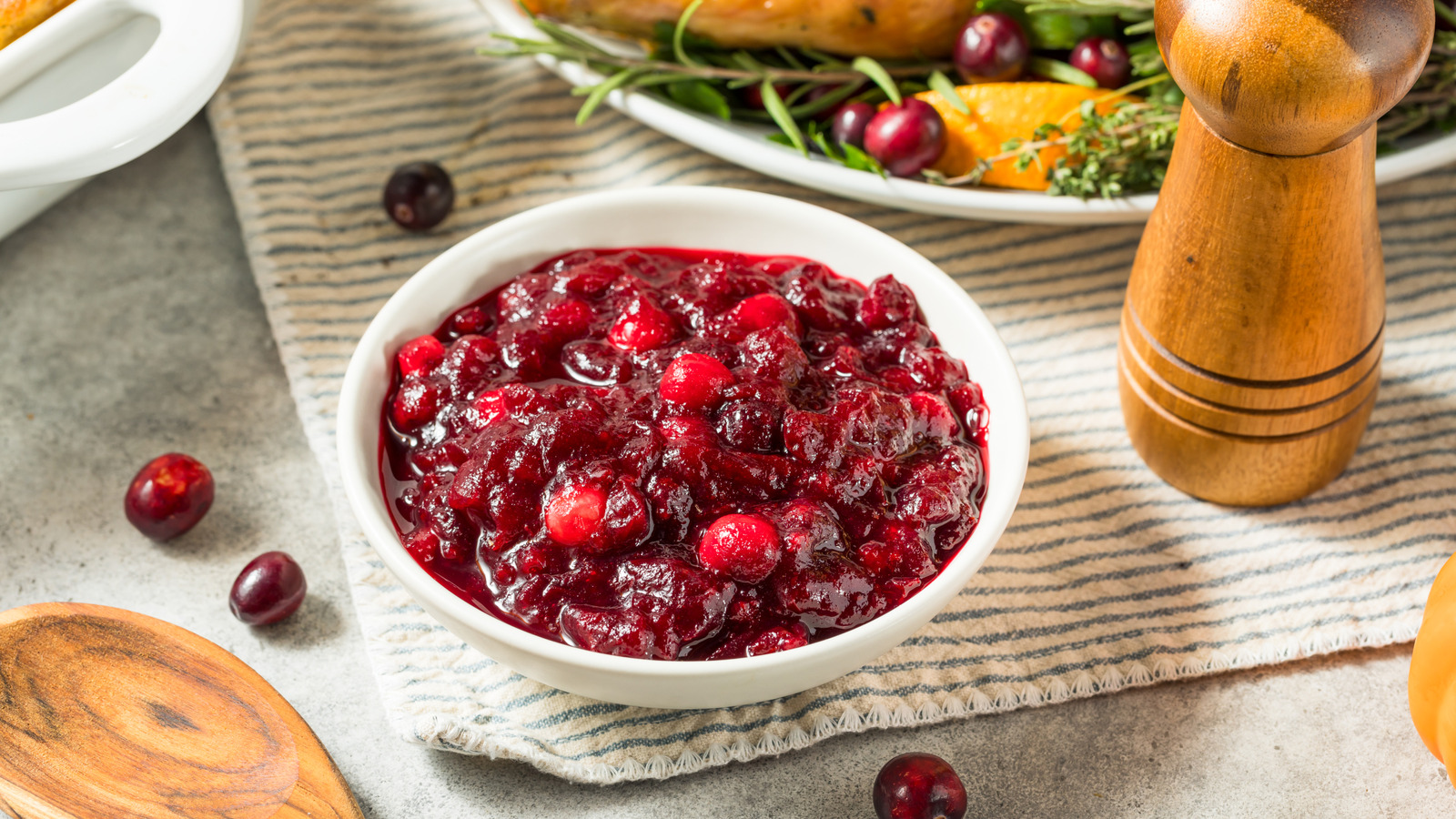
The holiday season, for all its joy and deliciousness, often leaves us with a familiar conundrum: a refrigerator full of leftovers. Among the various culinary remnants, that half-used jar or bowl of cranberry sauce frequently finds itself relegated to the back, destined for eventual oblivion. But what if we told you that forgotten crimson gem holds the secret to an incredibly vibrant, sweet, and tangy addition to your everyday meals? Indeed, transforming your leftover cranberry salad dressing is not just a clever trick for reducing food waste; it's a revelation for your taste buds, offering a burst of flavor that revitalizes any salad, roasted vegetable dish, or even grilled protein.
This article will guide you through the simple yet transformative process of giving your cranberry sauce a new lease on life, turning it into a versatile dressing that's perfect for fall and winter, yet delightful any time of year. Say goodbye to neglected leftovers and hello to a culinary triumph!
The Magic Behind Your Leftover Cranberry Salad Dressing
At its heart, cranberry sauce is an ideal base for a vinaigrette. Its inherent sweet-tart balance provides a fantastic foundation that requires minimal adjustment. Whether you're working with homemade cranberry sauce or a canned variety, the core flavor profile—bright, fruity, and slightly acidic—is precisely what you look for in a great dressing. This isn't just about resourcefulness; it's about tapping into an existing flavor powerhouse.
One of the most appealing aspects of this `cranberry sauce dressing` is its ease of preparation. In just minutes, you can whip up a gourmet-quality dressing that elevates even the simplest bowl of greens. It’s a no-cook solution that leverages pre-made ingredients, making it an ideal choice for busy weeknights or last-minute entertaining. Plus, its gorgeous ruby hue adds an undeniable festive touch to any plate, making it a perfect accompaniment for holiday gatherings or a touch of seasonal cheer on a grey day.
Both jellied and whole-berry cranberry sauces can work wonders here. If using jellied, you'll find it blends effortlessly into a smooth emulsion. Whole-berry versions might require a bit more blending to achieve your desired consistency, but the added texture can be a delightful bonus. The key is to ensure your cranberry sauce is at room temperature before you begin; a cold sauce will resist blending smoothly with the other ingredients, leading to a less harmonious end product.
Crafting Your Tangy Cranberry Vinaigrette: A Step-by-Step Guide
Creating this Minute Cranberry Vinaigrette: Sweet, Tart, & Versatile is surprisingly straightforward. With just a handful of pantry staples, you can conjure a dressing that's both bold in flavor and stunning in color.
Essential Ingredients for Your Cranberry Creation
- Leftover Cranberry Sauce: Approximately ½ to 1 cup. Ensure it's at room temperature for best blending results.
- Olive Oil: ½ cup. A good quality extra virgin olive oil will lend a rich, fruity note.
- Vinegar: 2-3 tablespoons. Apple cider vinegar offers a mellow tang, white wine vinegar provides crispness, while red wine vinegar adds a bolder, slightly fruity kick.
- Sweetener (Optional): 1-2 teaspoons honey or maple syrup. Only needed if your cranberry sauce is particularly tart.
- Salt and Freshly Ground Black Pepper: To taste, essential for balancing the flavors.
- Dijon Mustard (Optional but Recommended): 1 teaspoon. Acts as a natural emulsifier, helping to bind the oil and vinegar, and adds a subtle piquant note.
- Orange Zest (Optional): ½ teaspoon. Enhances the fruity brightness and adds another layer of aroma.
The Blending Process: Keys to a Smooth Emulsion
- Combine Base Ingredients: In a blender, food processor, or a bowl if whisking by hand, combine the room temperature cranberry sauce, vinegar, Dijon mustard (if using), salt, and pepper. If you're adding orange zest, include it now.
- Pulse or Whisk: Blend or whisk these ingredients until thoroughly combined and smooth. If using whole-berry cranberry sauce, continue blending until you reach your desired consistency.
- Slowly Add Olive Oil: This is arguably the most critical step for achieving a smooth, creamy vinaigrette rather than a separated mixture. With the blender or food processor running on low, or while whisking constantly and vigorously, slowly drizzle in the olive oil in a thin, steady stream. The mixture should gradually thicken and emulsify, forming a cohesive dressing. For more detailed insights on this crucial step, read our guide on Mastering Cranberry Salad Dressing: Tips for a Smooth Blend.
Taste, Adjust, and Marry the Flavors
Once your dressing is emulsified, it's time for the all-important taste test. Every batch of cranberry sauce is slightly different, so adjustment is key.
- If Too Tart: Add a small amount of honey or maple syrup, a ¼ teaspoon at a time, blending after each addition until the desired sweetness is achieved.
- If Too Sweet: A splash more vinegar or a pinch of salt can often cut through excess sweetness.
- If Too Thick: Thin it out with a tablespoon of warm water, extra vinegar, or even a little orange juice until it reaches a pourable consistency. Remember, it will likely thicken slightly when chilled.
- If Too Thin: Blend in a tiny bit more cranberry sauce or let it sit in the fridge for a while, as chilling can help it firm up.
Once you're happy with the balance, don't skip the step of letting the dressing sit for at least 15 minutes before serving. This allows all the flavors to meld together, deepening the complexity and giving you one final chance to adjust the seasoning.
Beyond the Greens: Creative Pairings for Your Cranberry Dressing
While an obvious choice for a simple mixed green salad, this vibrant cranberry vinaigrette is incredibly versatile and can elevate a multitude of dishes, especially during the colder months when its bright notes are particularly welcome.
- Classic Salad Combinations: Drizzle generously over spinach, kale, or arugula salads. It pairs beautifully with ingredients like crumbled goat cheese or feta, toasted pecans or walnuts, sliced apples, dried cranberries, and roasted root vegetables such as butternut squash, sweet potatoes, or beets. The combination of creamy cheese, crunchy nuts, sweet fruit, and earthy vegetables creates a symphony of textures and flavors.
- Hearty Grain Salads: Elevate a warm grain salad made with quinoa, farro, or wild rice. Add roasted chicken or chickpeas for a complete meal. The dressing's tanginess cuts through the richness of the grains and other ingredients.
- Winter Fruit Salads: Create a unique fruit salad featuring seasonal citrus (orange segments, grapefruit), pears, pomegranates, and a sprinkle of mint, then dress with your cranberry creation.
- Savory Applications: Don't limit yourself to salads! This dressing can also serve as a glaze for roasted chicken or pork tenderloin, a tangy marinade, or even a dipping sauce for holiday leftovers, turkey sandwiches, or sweet potato fries. Its bold flavor holds up well to heartier fare.
The sweet and tart profile of this `tangy cranberry salad dressing` makes it a go-to choice for adding a touch of sophistication and festive flair to any meal, transforming everyday dishes into something special.
Customization and Storage Tips for Your Cranberry Dressing
Elevate Your Cranberry Dressing with Flavorful Twists
One of the joys of making your own dressing is the freedom to customize it to your preference. Here are a few ideas to make your leftover cranberry salad dressing truly your own:
- Spice It Up: For a more aromatic and warming dressing, add a tiny pinch of ground cinnamon, nutmeg, ginger, or even a whisper of allspice. These spices complement cranberry beautifully and enhance its autumnal feel.
- Herbal Notes: Incorporate finely chopped fresh herbs like thyme or rosemary (use sparingly, as they can be potent) for an earthy depth.
- Citrus Burst: Replace a portion of the vinegar with fresh orange juice and a little extra zest for an even brighter, more prominent orange-cranberry flavor profile. Lemon juice can also add a sharp, zesty kick.
- Heat Factor: A tiny dash of cayenne pepper or a pinch of red pepper flakes can introduce a subtle warmth without overpowering the fruitiness.
Maximizing Freshness: Storage and Shelf Life
Once prepared, your homemade `cranberry sauce dressing` should be stored in an airtight container in the refrigerator. It will typically last for about 5-7 days. Because it contains fresh ingredients and oil, its shelf life is similar to most homemade vinaigrettes.
You might notice that the dressing thickens considerably when chilled. This is normal, especially with olive oil, which can solidify at cooler temperatures. Before using, simply allow it to come to room temperature for 15-20 minutes, then give it a vigorous shake or whisk to re-emulsify. If it's still too thick, a tiny splash of warm water or extra vinegar can help bring it back to a pourable consistency.
Conclusion
Who knew that a humble pot of leftover cranberry sauce could be reborn into such a magnificent and versatile culinary creation? This guide empowers you to transform a forgotten holiday staple into a vibrant, sweet, and tangy salad dressing that will surprise and delight. It’s a testament to the fact that with a little creativity, ingredients we might otherwise discard can be given a delicious new purpose. So, next time you find yourself with a surplus of cranberry sauce, don't let it languish. Embrace the art of reinvention and create a truly unforgettable leftover cranberry salad dressing that adds zest and sparkle to your meals.
