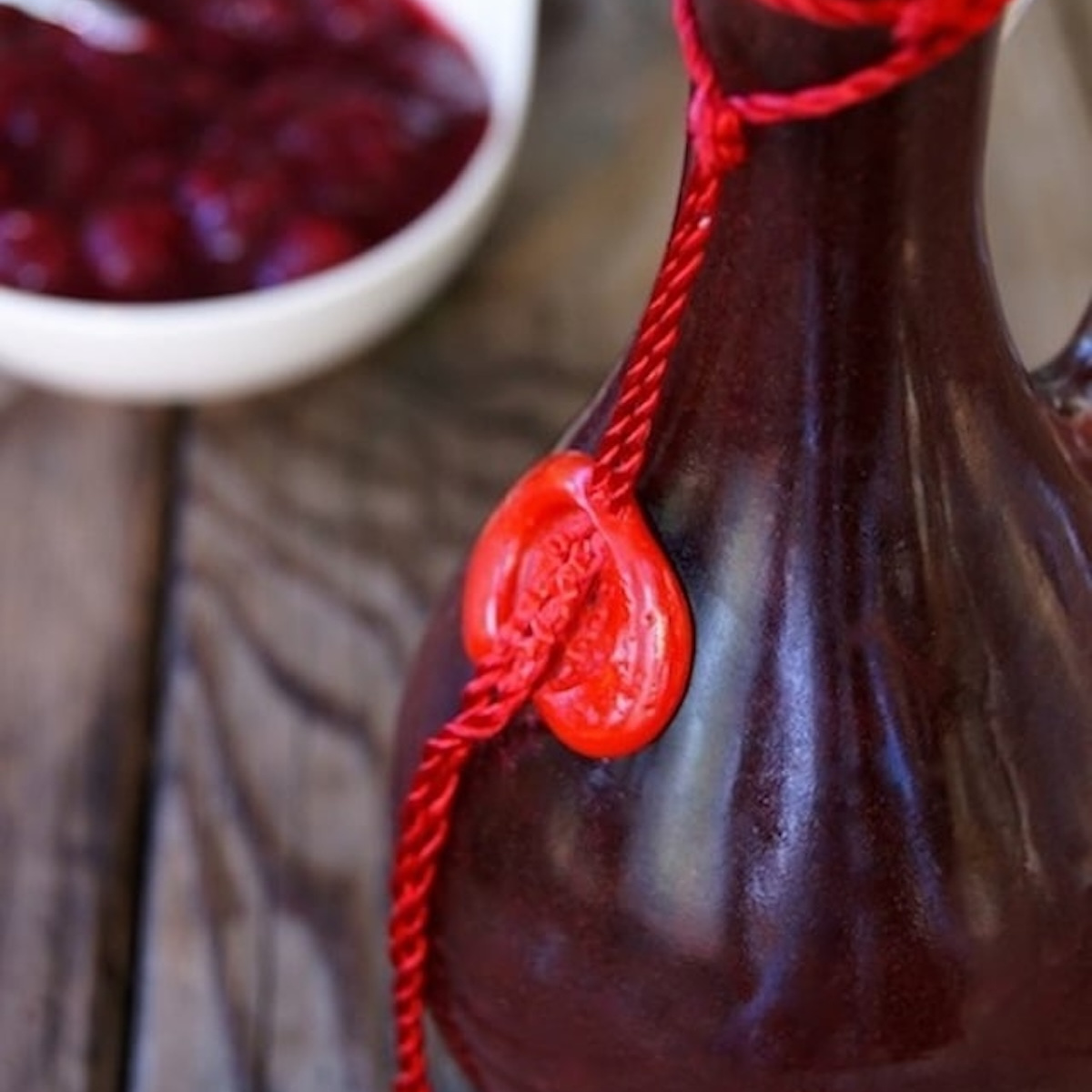
The Secret Life of Leftover Cranberry Sauce: From Side Dish to Star Dressing
The holiday season, for all its culinary delights, often leaves us with a lingering dilemma: what to do with that half-eaten container of cranberry sauce? It's a tale as old as Thanksgiving itself – the vibrant, tangy sauce, once a star on the dinner table, now relegated to the back of the fridge, slowly fading into oblivion. But what if we told you that this forgotten condiment holds the key to unlocking a burst of flavor in your everyday meals? Enter the world of transforming leftover cranberry sauce into a tangy salad dressing, a brilliant culinary hack that not only minimizes waste but also elevates your salads to an entirely new level. This isn't just about mixing a few ingredients; it's about mastering the art of the smooth blend, creating a dressing that's as luscious in texture as it is vibrant in taste.
The Magic of Repurposing: Why Your Leftover Cranberry Sauce Deserves a Second Act
It's easy to dismiss leftover cranberry sauce. After the initial holiday fervor, its specific sweetness and tartness can feel limiting. However, with a little creativity, that humble side dish can be reborn as a dynamic, flavorful salad dressing. This transformation is not only incredibly simple but also incredibly rewarding, offering a fresh perspective on a familiar flavor. Whether you're working with homemade cranberry sauce or a can of the jellied variety, both are perfectly suited for this delicious metamorphosis.
For those aiming for an impeccably smooth dressing, the type of cranberry sauce you begin with can make a slight difference. If you're using canned cranberry sauce, the jellied kind tends to blend more seamlessly than whole berry varieties, resulting in a silkier finish right from the start. Homemade cranberry sauce is also fantastic, particularly if it already has a smoother consistency rather than being overly chunky. If your sauce is on the chunkier side, don't despair; a quick pre-blend with a small amount of liquid (like water or vinegar) can help break down larger pieces before you even begin to mix it with other dressing ingredients. The key is to see your leftover cranberry sauce not as an end, but as a vibrant beginning for a truly unique minute cranberry vinaigrette that's sweet, tart, and versatile.
One critical step often overlooked for achieving that perfect blend is ensuring your cranberry sauce is at room temperature before you start. Cold sauce, straight from the refrigerator, will be thicker and more resistant to blending smoothly with other ingredients, especially oils. Allowing it to warm up slightly will ensure all components integrate more harmoniously, setting the stage for a truly exquisite homemade dressing.
Achieving Silky Smoothness: Essential Tips for Your Cranberry Dressing
The pursuit of a perfectly smooth salad dressing is a noble one, and with cranberry sauce as your base, it’s entirely achievable. The key lies in understanding a few fundamental principles of emulsification and ingredient preparation.
- Temperature is Your Friend: As mentioned, beginning with room-temperature cranberry sauce is paramount. Cold sauce is more viscous and less likely to integrate uniformly with other liquids, leading to a lumpy or separated dressing. Plan ahead and let your cranberry sauce sit out for 15-30 minutes before mixing.
- The Art of the Slow Pour: This is arguably the most critical step, especially when adding olive oil. The biggest mistake novice dressing makers make is pouring in the olive oil too quickly. This can shock the mixture, preventing the oil and vinegar from properly emulsifying, leading to a separated, oily mess rather than a homogenous blend. Instead, pour the olive oil in a slow, steady stream while continuously whisking vigorously. If you're using a blender or immersion blender, keep it running on a medium setting as you drizzle the oil in. This gradual introduction allows the oil molecules to be finely dispersed throughout the other liquids, creating a stable and smooth emulsion.
- Embrace Your Tools: While a whisk and a bowl can certainly do the job, particularly if your cranberry sauce is already smooth, for guaranteed silkiness, consider using an appliance.
- Blender: A standard blender is fantastic for creating incredibly smooth dressings. Add all your ingredients (except for a slow drizzle of oil) and blend until uniform. Then, with the blender still running, slowly add your oil.
- Immersion Blender: An immersion blender (or stick blender) is equally effective and often more convenient for smaller batches, allowing you to blend directly in a jar or measuring cup.
- Food Processor: A food processor can also be used, especially if you need to break down chunkier sauce first.
- Dilute with Precision: If, after blending, your cranberry dressing seems too thick, resist the urge to add a large splash of water all at once. Instead, thin it out gradually with a tablespoon of warm water or an extra splash of vinegar (apple cider vinegar or white wine vinegar work wonderfully). Remember that dressings often thicken slightly when chilled, so it's better to err on the side of slightly thinner when freshly made.
Mastering the Flavor Profile: Sweet, Tart, and Perfectly Balanced
A truly exceptional cranberry salad dressing doesn't just look good; it tastes phenomenal. The beauty of working with leftover cranberry sauce is that much of the sweet-tart foundation is already established. However, achieving that perfect balance, where no single flavor dominates, requires careful tasting and adjustment.
- The Golden Rule: Taste and Adjust: This is non-negotiable. Before serving, always taste your dressing. Cranberry sauces vary wildly in sweetness and tartness, so your dressing will need a custom touch.
- Too Tart? If your dressing puckers your mouth, add a small amount of natural sweetener like honey, maple syrup, or agave nectar. Start with half a teaspoon, mix well, and taste again. Repeat until balanced.
- Too Sweet? A pinch of salt can work wonders to cut through excessive sweetness and enhance other flavors. You can also add a tiny bit more acidity through a squeeze of lemon juice or an extra splash of vinegar.
- Embrace Acidity: While cranberry sauce brings tartness, a good dressing needs a distinct acidic backbone. Apple cider vinegar is a classic choice, lending a fruity, mellow tang that complements cranberries beautifully. White wine vinegar or even a touch of balsamic (for a darker, richer flavor profile) can also work. Lemon juice provides a bright, fresh zestiness that can lift the entire dressing.
- Aromatic Additions for Depth: Don't be afraid to experiment beyond the basics. These ingredients can elevate your dressing from good to gourmet:
- Orange Zest and Juice: A classic pairing with cranberries. Swapping a tablespoon or two of water for fresh orange juice and a bit of zest provides a delightful citrusy brightness.
- Dijon Mustard: Beyond its piquant flavor, a teaspoon of Dijon mustard acts as a natural emulsifier, helping to bind the oil and vinegar for an even smoother consistency.
- Fresh Herbs: For a more savory note, consider finely minced fresh rosemary or thyme. These herbs pair wonderfully with the autumnal notes of cranberries.
- Spices: A tiny pinch of cinnamon, nutmeg, or even a hint of ground ginger can add warmth and complexity, especially for a holiday-themed salad.
- Garlic or Shallots: For a subtle savory depth, a tiny amount of finely minced garlic or shallot can be incorporated, but use sparingly to avoid overpowering the cranberry.
- The Patience Principle: Let it Meld: Once you've mixed and adjusted, resist the urge to immediately dress your salad. Allowing the dressing to sit for at least 15 minutes (or even longer in the refrigerator) gives all the flavors a chance to intermingle and deepen. This 'resting' period allows the sweet, tart, and savory notes to truly harmonize, resulting in a more cohesive and delicious dressing. Always give it one final taste and a quick whisk before drizzling.
Beyond the Bowl: Creative Ways to Enjoy Your Cranberry Dressing
While designed to adorn your favorite greens, the versatility of your homemade cranberry dressing extends far beyond the traditional salad bowl. Its vibrant flavor profile makes it a fantastic culinary chameleon, ready to enhance a variety of dishes.
Perfect Salad Pairings:
This tangy-sweet dressing shines brightest on salads that feature complementary flavors and textures. It's a natural fit for fall and winter salads, though its zestiness makes it enjoyable year-round. Consider:
- Hearty Greens: Mixed greens, spinach, arugula, or even massaged kale provide an excellent base, standing up well to the dressing's bold flavors.
- Roasted Vegetables: Drizzle it over warm roasted butternut squash, sweet potatoes, Brussels sprouts, or parsnips. The caramelization of the vegetables offers a delightful contrast.
- Nuts and Cheeses: Pair with candied pecans, walnuts, or toasted almonds for crunch. Creamy goat cheese, pungent blue cheese, or crumbled feta add a wonderful savory counterpoint.
- Fresh and Dried Fruits: Sliced apples, pears, or extra dried cranberries amplify the fruitiness and add texture.
- Grain Salads: Incorporate it into warm grain salads featuring quinoa, wild rice, or farro, along with roasted vegetables and nuts, for a hearty and satisfying meal.
Unexpected Culinary Applications:
Don't limit this gem to salads! Its unique flavor can bring a festive twist to other culinary creations:
- Marinade for Poultry or Pork: The acidity in the dressing makes it an excellent tenderizer and flavor enhancer for chicken or pork. Marinate your cuts for a few hours before grilling, baking, or pan-searing.
- Glaze for Roasted Meats or Vegetables: Brush the dressing over roasted chicken, turkey breast, or pork loin during the last 15-20 minutes of cooking for a glossy, flavorful glaze. It also works beautifully brushed onto roasted root vegetables.
- Dipping Sauce Extraordinaire: Serve it alongside appetizers like chicken tenders, spring rolls, or even a cheese board. Its bright flavor cuts through richness beautifully.
- Gourmet Sandwich Spread: Ditch the mayonnaise! This dressing makes an incredible spread for holiday leftover sandwiches, turkey clubs, or even a gourmet grilled cheese.
- Base for Pan Sauce: Deglaze a pan after cooking chicken or pork with a splash of white wine or broth, then whisk in a few tablespoons of the cranberry dressing for a quick, flavorful pan sauce.
Conclusion
Transforming leftover cranberry sauce into a smooth, vibrant salad dressing is more than just a clever way to reduce food waste; it's an opportunity to create something truly delicious and versatile. By following these tips for achieving a silky blend – paying attention to temperature, mastering the slow pour of oil, and utilizing the right tools – you can craft a dressing that's not only visually appealing but also a delight to the palate. The ability to fine-tune its sweet and tart notes, and to experiment with complementary flavors, ensures your cranberry dressing will always be perfectly balanced. So, next time you find yourself with an abundance of cranberry sauce after the holidays, remember its hidden potential. Give it a new life, and watch as it elevates everything from simple greens to complex grain bowls, proving that sometimes, the best culinary creations come from the most unexpected places.
